What was the central goal?
The question nobody was asking yet
Creative tools had gotten good at individual tasks: clean up an image, generate a mockup, cut a highlight reel. What nobody had designed was a system that chains those tasks together with creative judgment, so the output of one step becomes the input of the next without the user having to manage the handoffs. The question was whether an AI-powered workflow could carry a brand idea from sketch to finished video in a single session with enough coherence that the result felt intentional.
What I built
Three interconnected systems, developed through iterative live testing with real assets and real brand briefs.
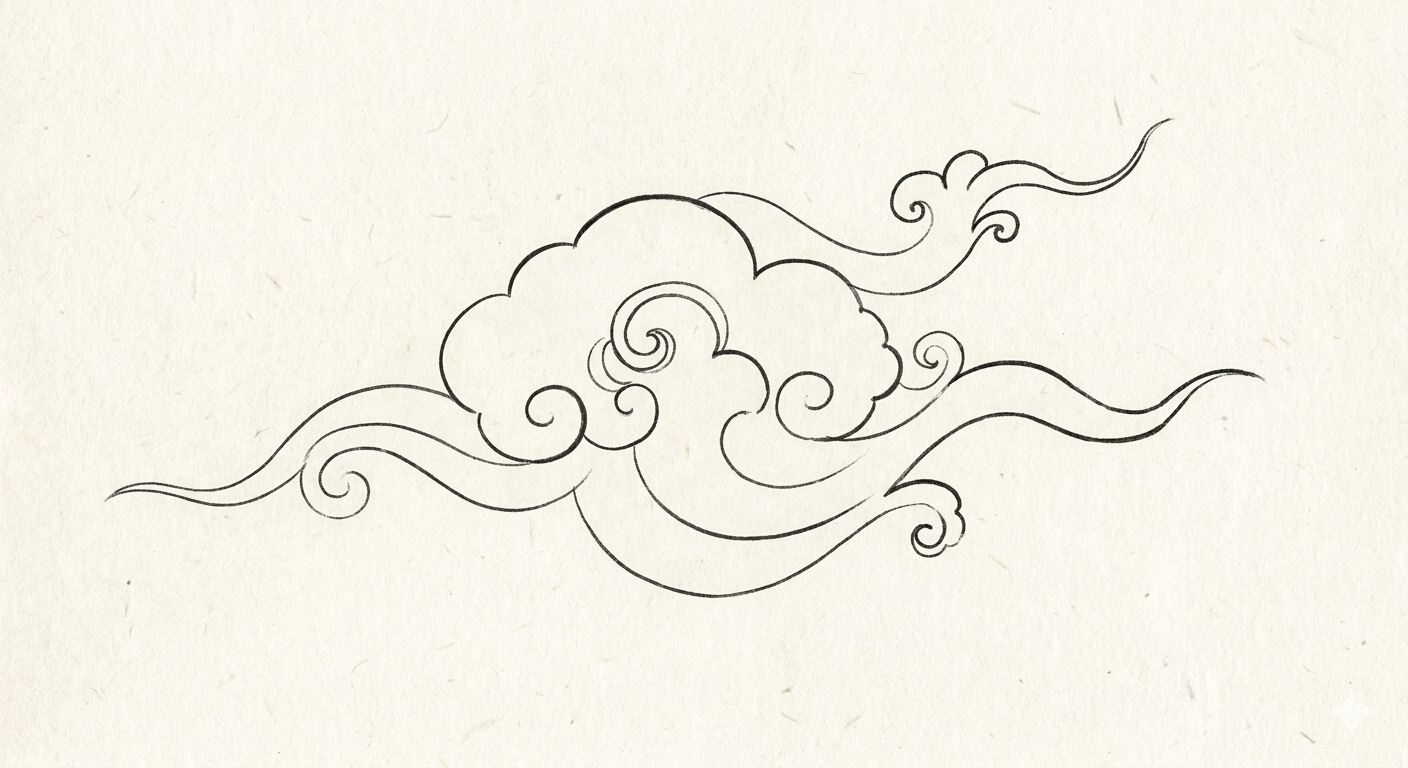
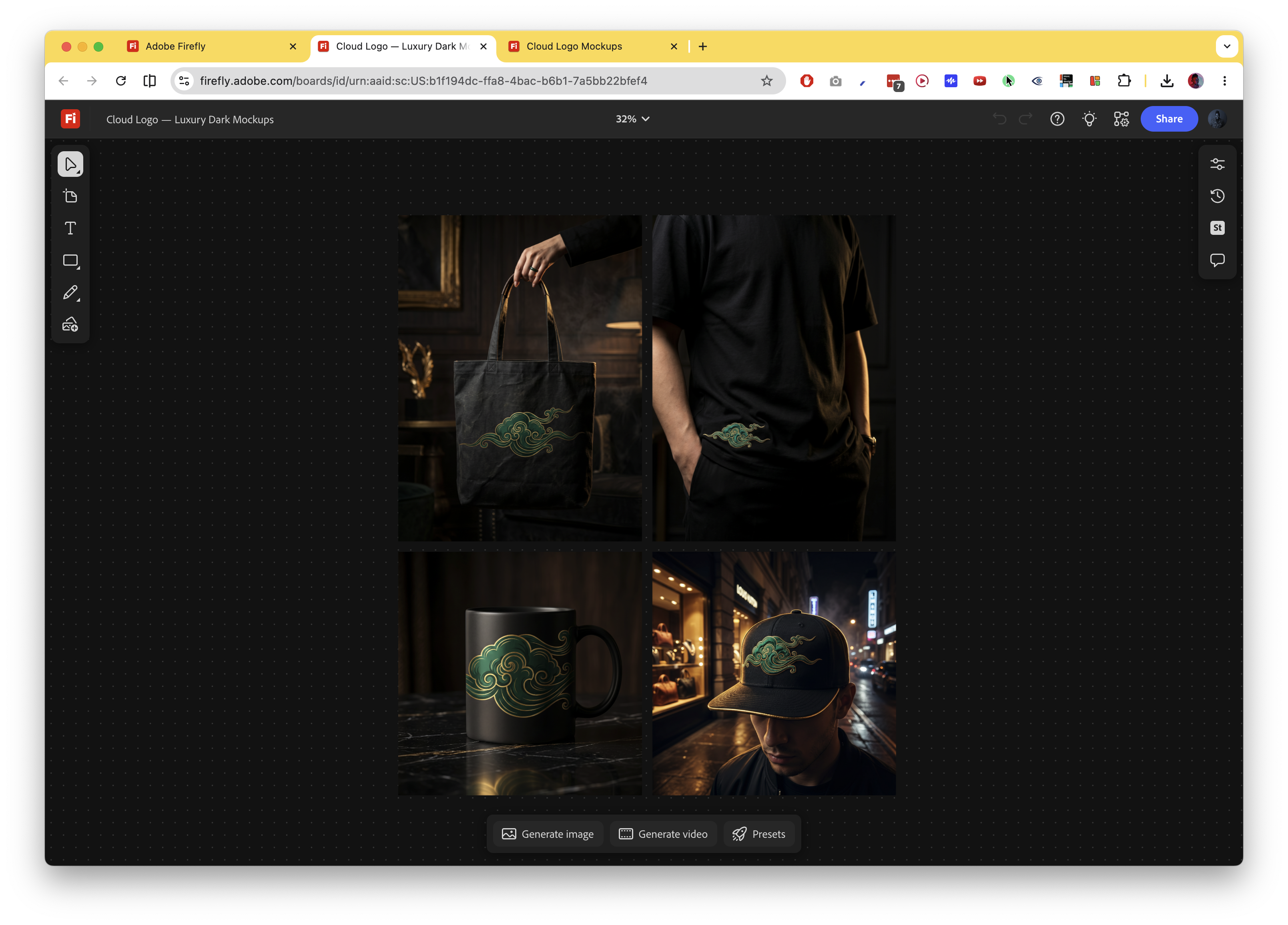
A sketch-to-brand Skill that takes uploaded artwork, including rough pencil drawings, through automated cleanup, vectorization, colorization, and product mockup generation. The key design decision was figuring out which AI generation approach actually preserves a logo accurately when placing it on a product. Testing revealed a meaningful difference between two available methods; only one maintains the integrity of the mark. That's the kind of thing you only learn by running it. The pipeline culminates in a live brand board (Firefly Boards), updated after each phase, which mirrors how a real creative review works rather than dumping everything at once.
An AI video editor Skill that generates three cut variations from uploaded footage in parallel (short and high-energy, mid-length narrative, long-form cinematic) and presents all three for the user to choose from. Interaction design was a priority here: the style and duration questions appear while the upload is happening, so the user isn't waiting through a linear sequence. A platform-level constraint that prevented seamless chaining to the resize step was identified, documented, and escalated to engineering with the relevant technical context.
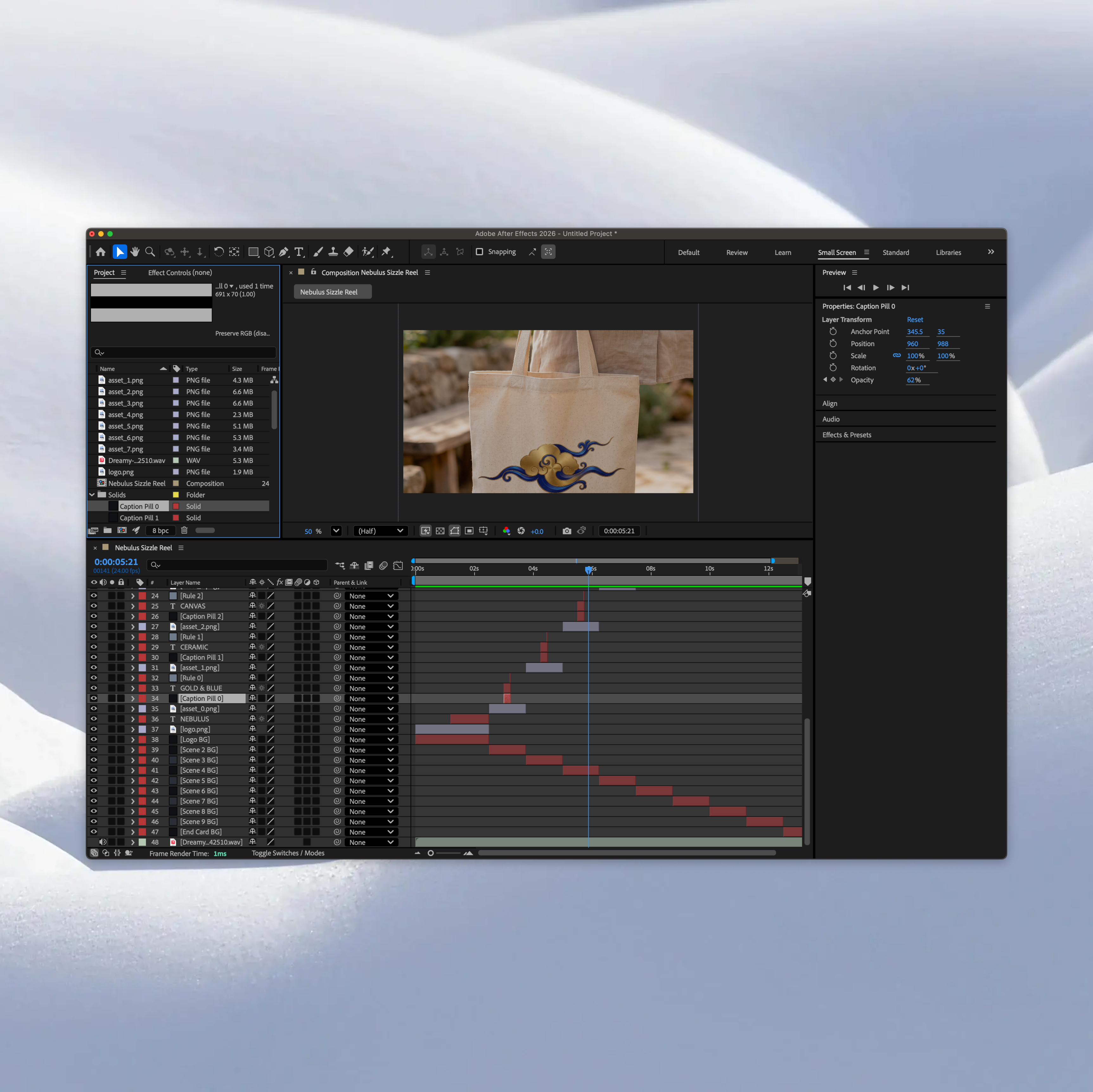
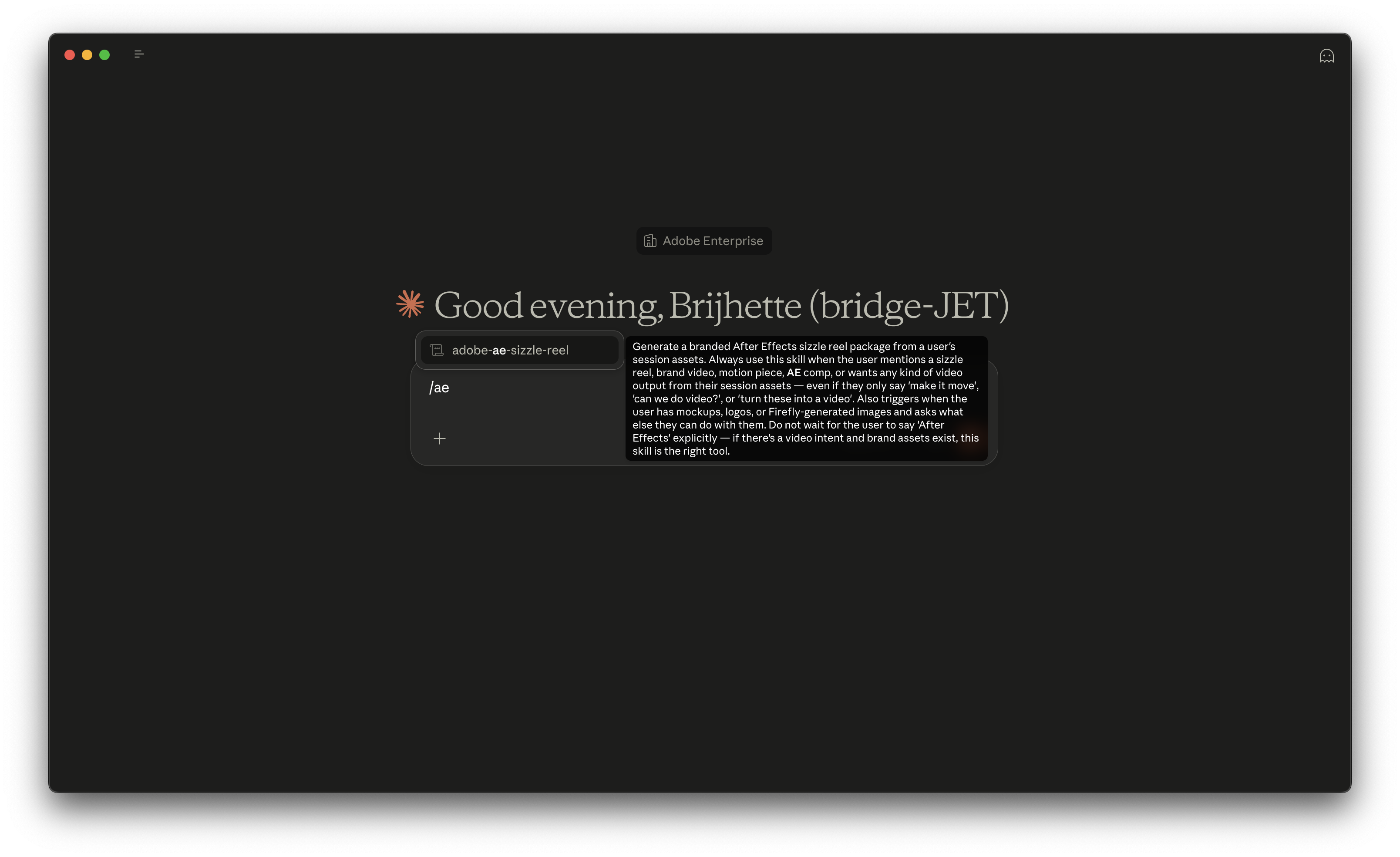
An After Effects package generator — the most technically ambitious piece. Rather than producing video directly, this generates a complete, ready-to-run After Effects script bundled with all assets: logo, mockup images, licensed music. The user unzips and runs it; the composition opens fully populated. No file hunting, no manual configuration. Brand palette is extracted automatically from the uploaded logo. Music is sourced, previewed, and licensed from Adobe Stock (with plentiful free options) lwithin the session. The script itself is architected so that one configuration block drives everything, from timing to colors to scene structure, making it maintainable and adaptable without touching the underlying code. The system went through multiple versioned releases and was shipped to a shared team repository with a full test suite covering normal use, edge cases, and failure recovery.


And the tl;dr
Future implications
This work is a proof of concept for a class of AI tools that act as creative directors. They decide which approach is right for this asset, this brand, this moment. The architecture is deliberately transparent and confirmatory right now, because that's what working with designers in real sessions showed they needed. But the foundation supports something more autonomous: a system that routes intelligently, adapts to the brief, and gets out of the way.
The deeper question it opens is where the boundary sits between a tool that assists and one that collaborates. The answer, based on this work, is that the boundary is an intentional design choice.