What was the central goal?
Residential buildings under 500 feet rarely carry the permanent monitoring systems used for aircraft, tunnels, bridges, and other major civic infrastructure. This short report proposed using the connected devices already inside residents' units as the foundation for a lightweight SHM campaign.
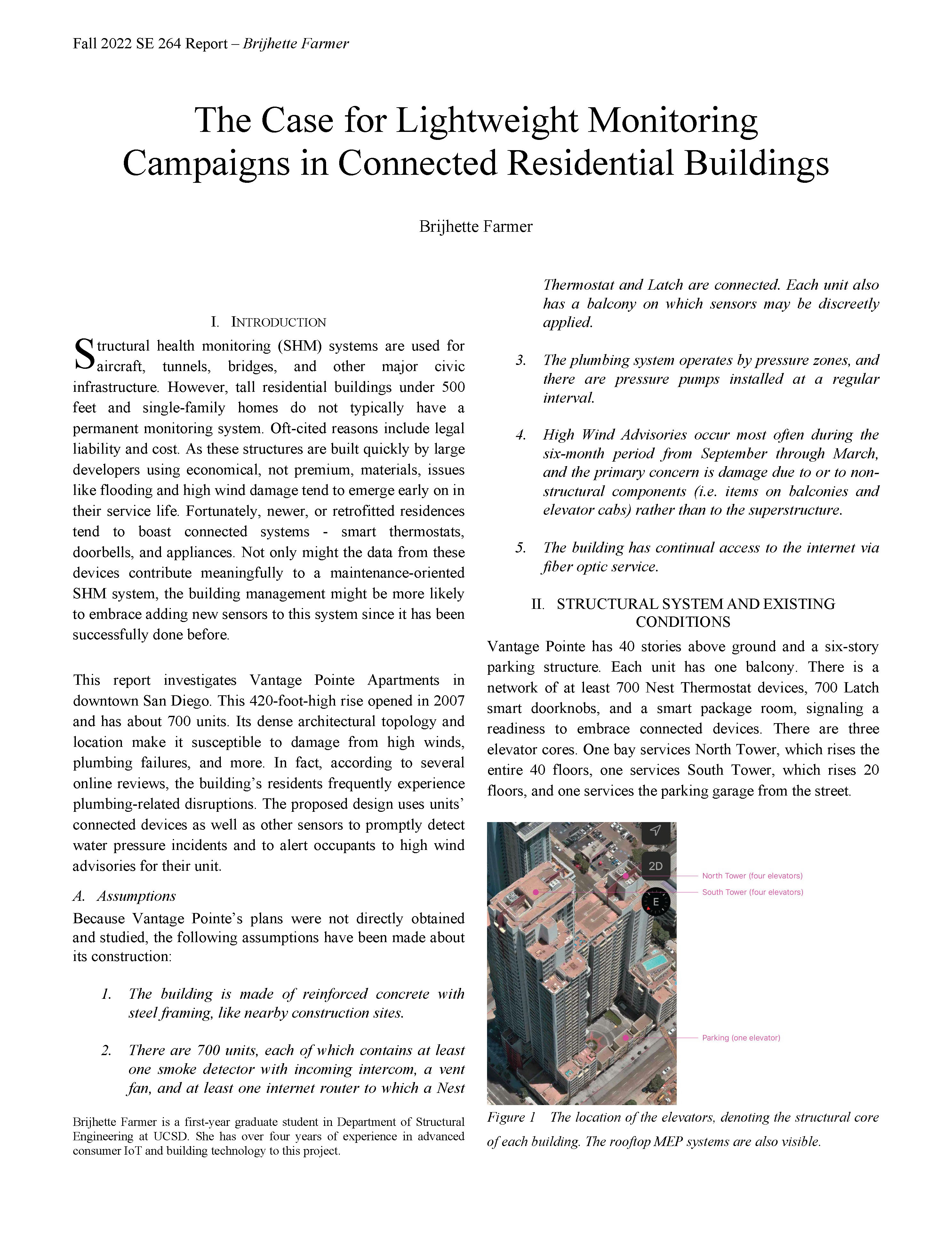
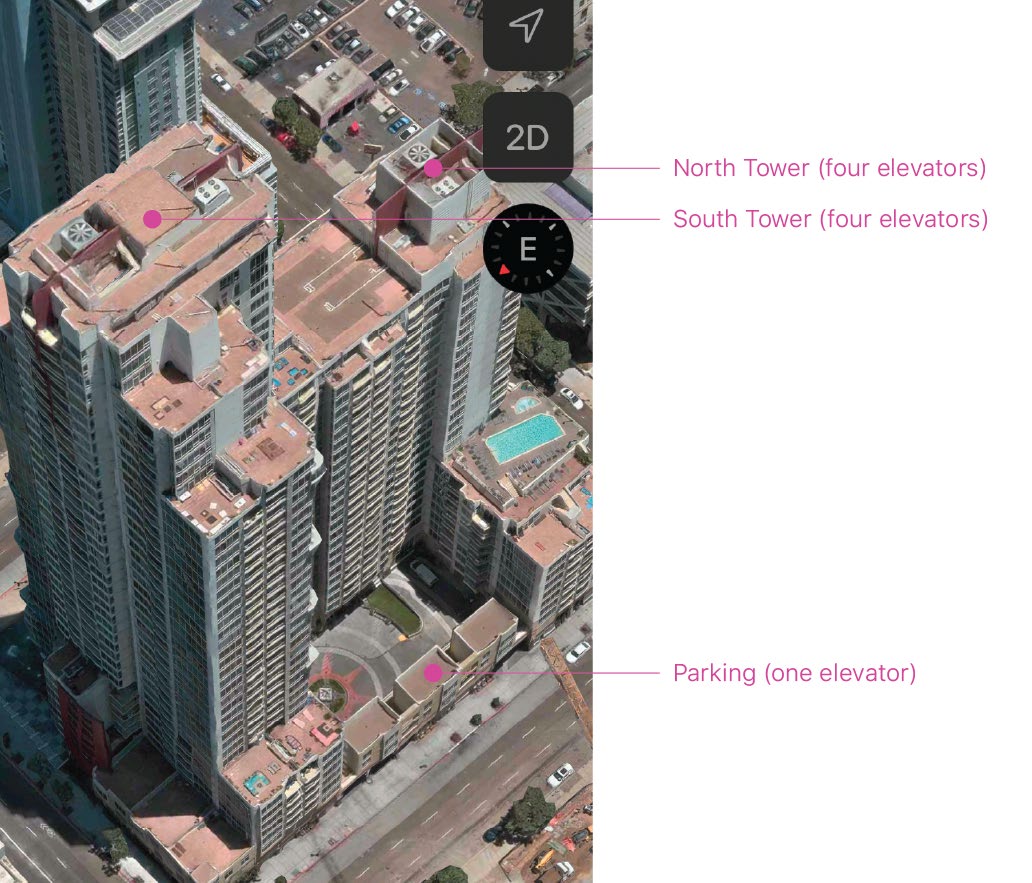
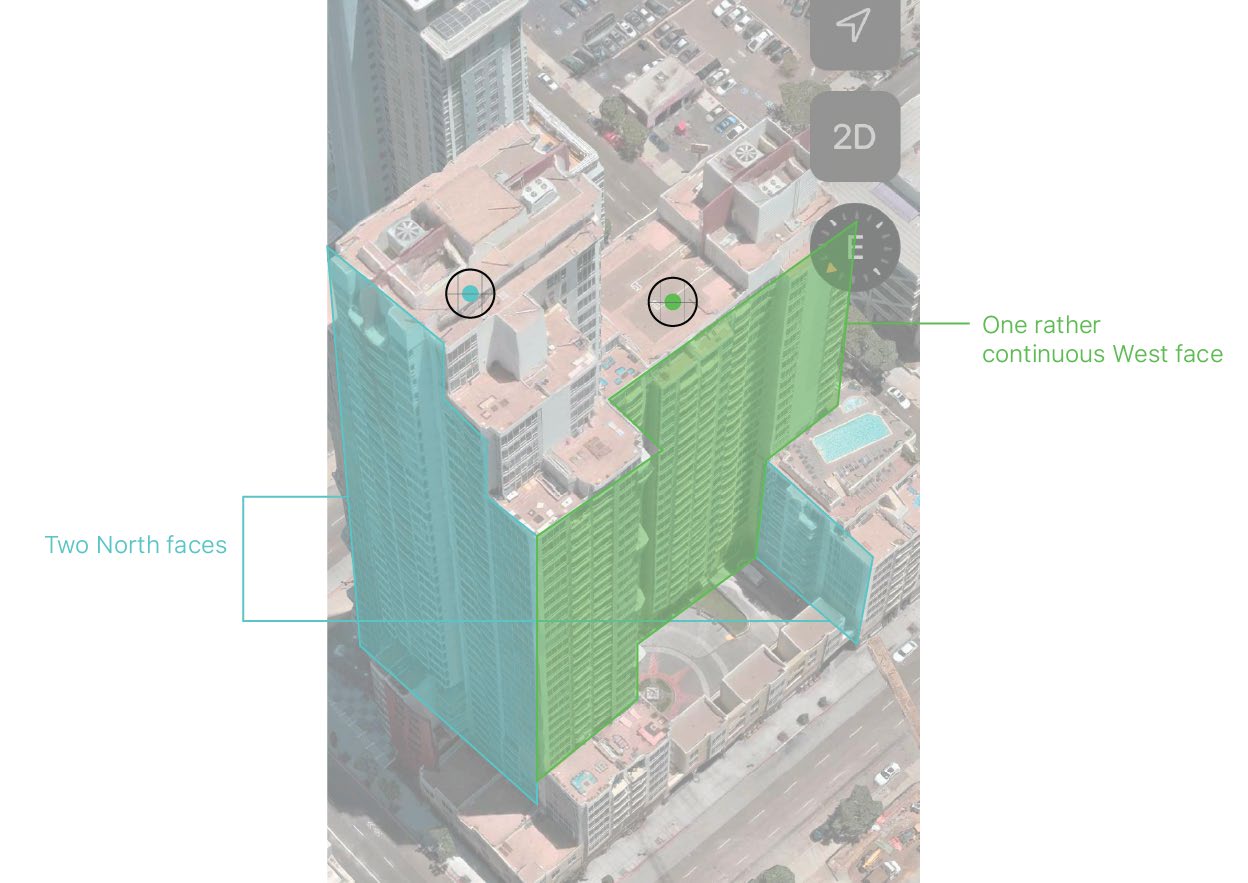
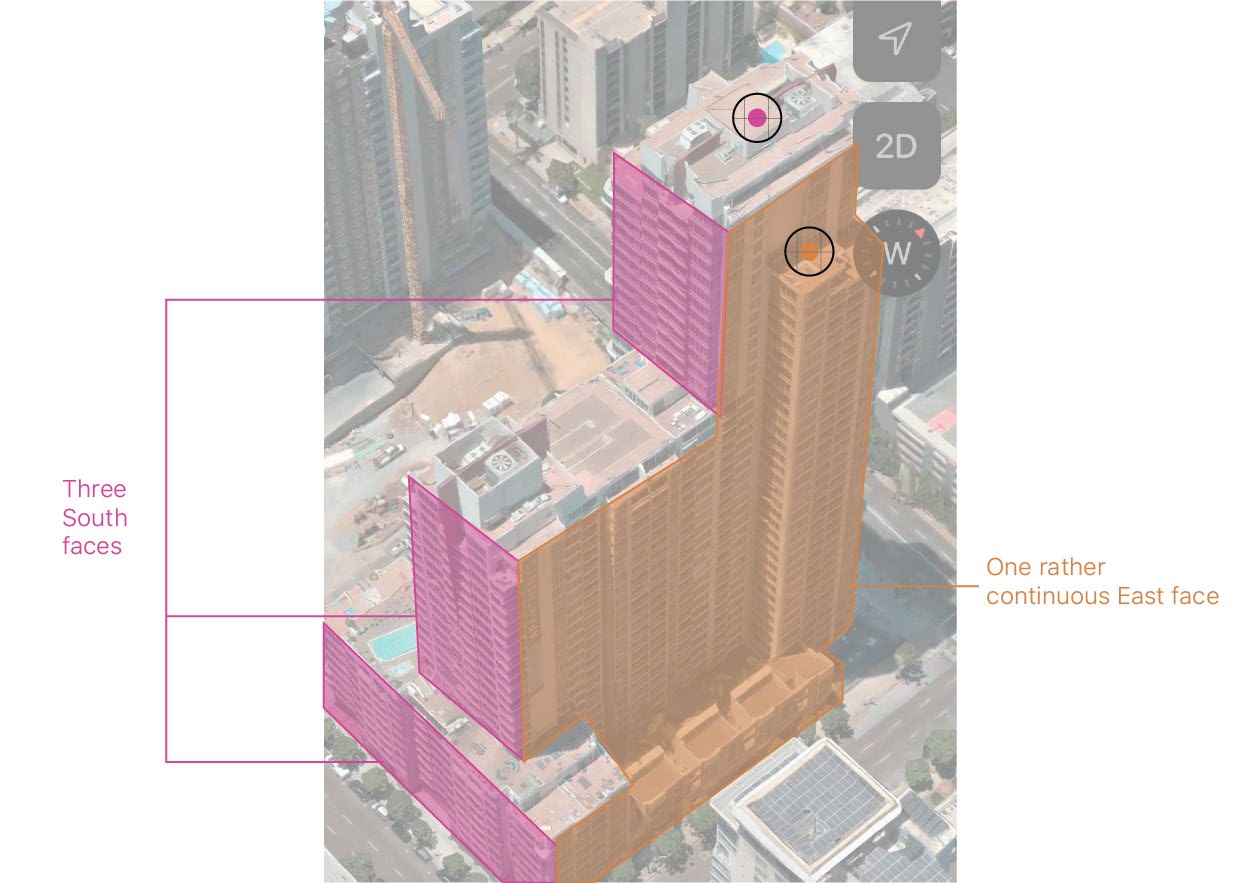
The case study was Vantage Pointe Apartments in downtown San Diego: a 420-foot tower from 2007 with two stepped masses, around 700 units, and a documented history of plumbing-related disruptions reported by residents. Its dense architectural topology and downtown wind exposure make it a useful test case for monitoring two specific damage modalities: water pressure events at the unit level, and wind loading at the building scale.
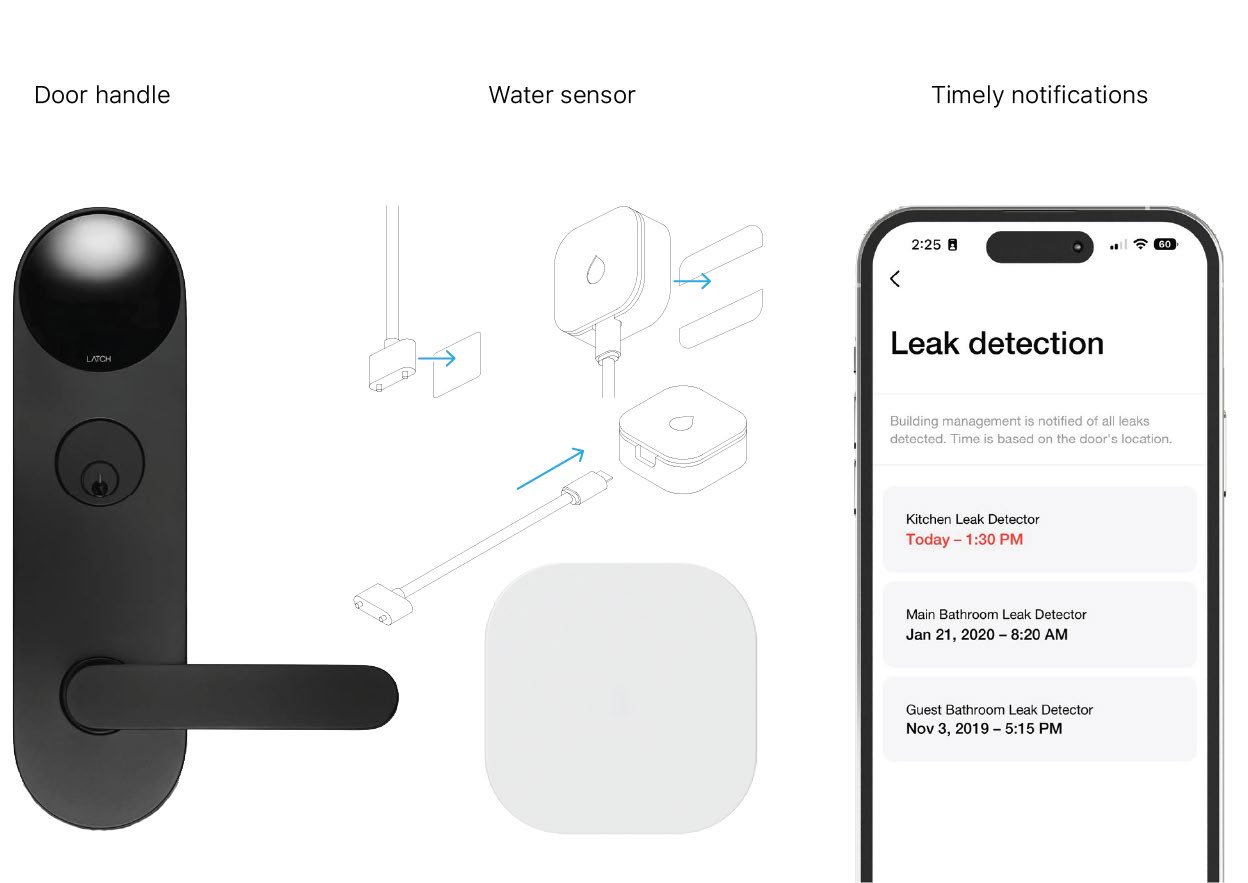
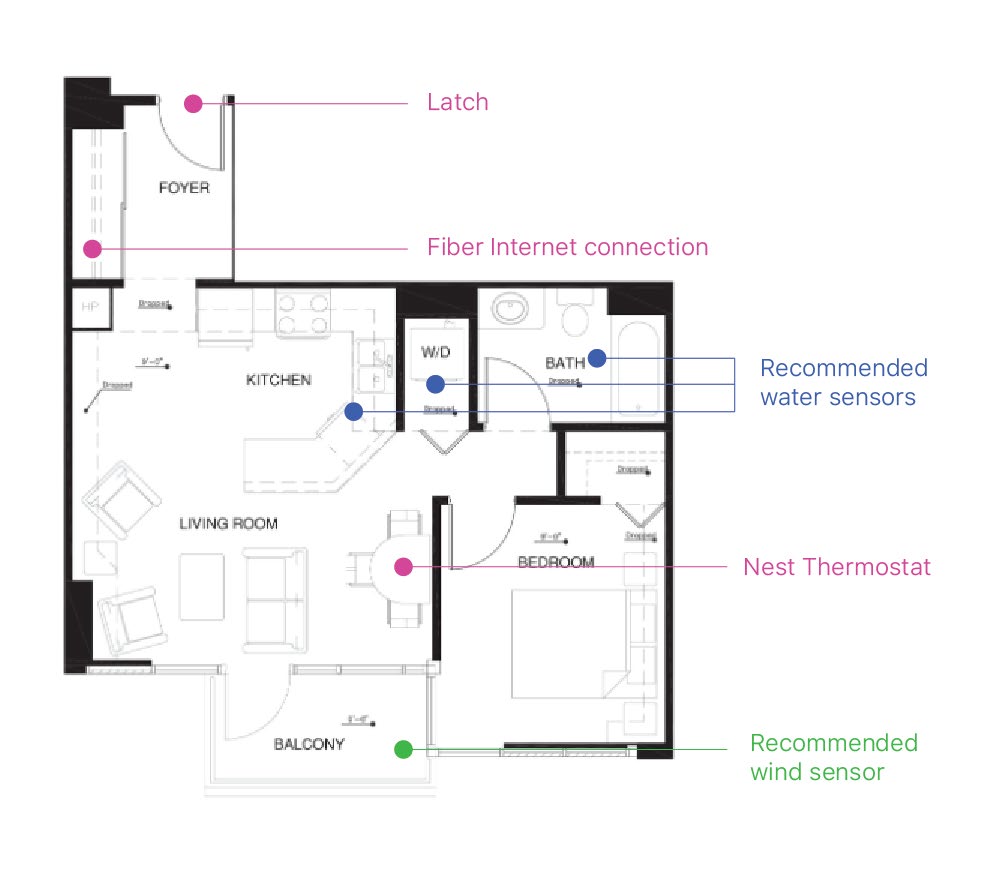
The proposed system used signal from Nest thermostats, smart leak detectors, and other in-unit connected devices alongside dedicated wind-load sensors. Existing residential IoT already streams temperature, humidity, motion, ambient light, and proximity data. Aggregating that data across hundreds of units offers a low-cost layer of behavioral and environmental sensing that a traditional SHM deployment skips. Dedicated sensors for snow and wind load, drawing on work by Dziadak (2020), complete the picture for events the IoT layer cannot resolve.
The argument is partly economic. Legal liability and installation cost are the standard reasons given for the absence of SHM in residential towers under 500 feet. An opt-in layer that uses devices residents have already installed shifts the economics, and the same data stream supports both maintenance work and resident-facing alerts.
The report's contribution lies in its framing. It positions residential SHM as a maintenance-oriented system built on consumer IoT, which differs from the research-grade instrumentation campaigns typically deployed for bridges and tunnels. That framing matters as residential construction continues to favor speed and economical materials, which produce damage modes such as leaks and wind-driven cladding failures that emerge early in service life.
And the tl;dr
This project sits among the earliest pieces of my own research thinking on disaster resilience, specifically on how distributed sensing might support maintenance and resident-facing alerts in buildings that are not typically instrumented. My extensive background in IoT from my years at Target were an asset in conducting deep technical research.